
Quick Answer
Outdoor team building can work well because it removes teams from familiar workplace routines and gives them shared tasks in a different setting. Well-designed outdoor formats combine movement, communication, decision-making and collaboration, while giving organizers room to use team divisions, activity rotations and varied challenges. The setting alone does not create results. Outdoor team building is most effective when the activities match a clear company objective, participation is inclusive, transitions are organized and the event ends with a shared moment.
For organizers, the practical question is what the new environment allows the team to do differently. This guide explains that difference and how to avoid creating unrelated activities.
What Is Outdoor Team Building?
Outdoor team building is a structured corporate event held outside the normal workplace. Participants complete group activities built around objectives such as communication, collaboration, leadership, problem-solving, friendly competition or creating a shared experience.
A company outing is not automatically team building. Colleagues can spend a day outside and still interact only with the people they already know. The event becomes more useful when it has a clear objective, organized teams, active participation and an event structure that connects each stage.
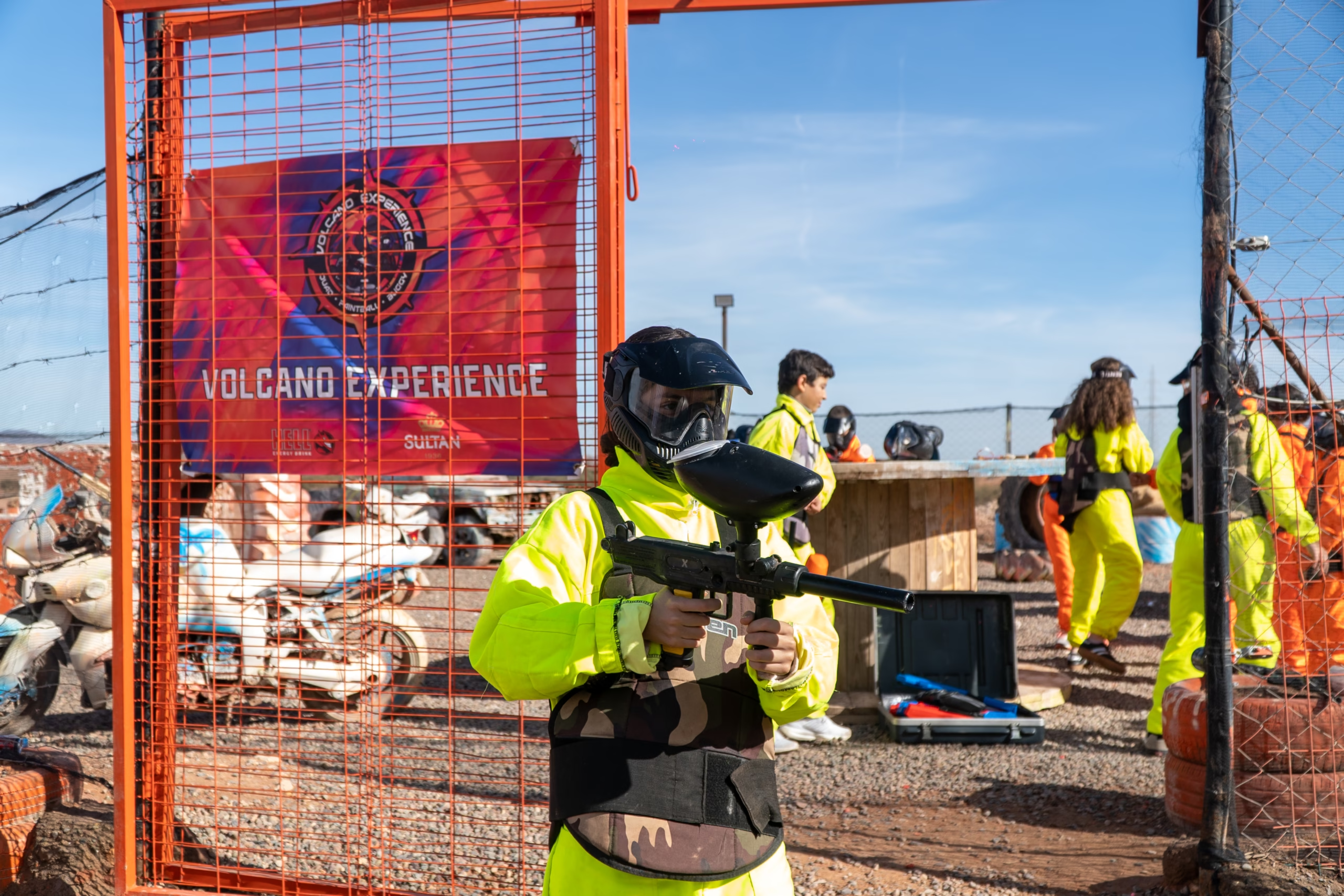
For example, paintball becomes team building when balanced teams receive a shared mission, assign roles and work toward a clear result. The distinction is the design.

Why Does Outdoor Team Building Work?
Outdoor team building works by changing the context in which colleagues interact. It creates practical situations where teams must communicate, make decisions and complete tasks together. The effects are not automatic, but the outdoor format gives organizers several useful design options.
1. How Does It Take Teams Out of Their Normal Routine?
Offices create familiar patterns. People sit in the same places, speak to the same departments and often follow the same hierarchy in meetings. These patterns are useful for daily work, but they can limit who contributes and how colleagues see one another.
Moving the team to an outdoor setting changes the immediate task and environment. A manager who normally leads a meeting may need to listen to a colleague who understands a challenge more quickly. Employees from separate departments may need to exchange information directly instead of working through their usual channels.
2. Why Do Shared Experiences Matter?
Working in the same company is not the same as experiencing something together. Daily work is often divided by departments, responsibilities and deadlines. An outdoor activity gives participants one event, objective or challenge that they can all recognize.
A shared experience can create a common reference point. Later, colleagues may remember how a team changed its plan during a challenge or how different people contributed to the result. These moments can support connection, but they should not be presented as guaranteed improvements in performance.
The experience is more useful when everyone has a role. Watching a small group participate is not the same as sharing the activity.
3. How Does It Encourage Active Participation?
Well-designed outdoor formats ask participants to do something rather than observe. They may need to move, communicate instructions, make a decision, solve a task or support the rest of their team.
Participation is more than being present. A person waiting beside an activity is attending, but not participating. This is why activity capacity, team size and rotations matter as much as the activity choice.
Different stages create different forms of involvement. Variety gives more people a meaningful way to contribute.
4. Why Does Teamwork Become Easier to Observe?
Office collaboration is often spread across emails, meetings and long projects. It can be difficult to see how a team plans, adapts and makes decisions in one moment.
During a structured outdoor challenge, the process is more visible. Organizers and participants can notice who shares information, how roles are assigned, whether the plan is understood and what happens after a mistake.
These observations are not personality tests or employee assessments. One activity cannot define someone’s ability, but it can support a short discussion about teamwork.
5. How Can an Event Combine Competition and Collaboration?
Outdoor events can include both competition and collaboration. Teams may compete for points during one stage, then combine information or complete a shared final challenge later.
Friendly competition can increase attention when rules are clear. Scoring can recognize communication and fair participation, not only speed or victory.
Not every event should be highly competitive. Mixed groups may respond better to shared missions. The design should follow the objective.
6. Why Is the Outdoor Format Flexible?
An outdoor corporate event can combine different types of activity instead of running one continuous session. A practical sequence may be:
Briefing → team formation → outdoor activity → short challenge → rotation → break → second activity → final mission → results or group moment
This is not a fixed package. It shows how organizers can vary energy and give each stage a purpose.
Outdoor vs Indoor Team Building: What Is the Difference?
Outdoor and indoor team building can both be effective. The better choice depends on the objective, participants, time, accessibility needs, weather and type of activity.
| Factor | Outdoor Team Building | Indoor Team Building |
|---|---|---|
| Environment | Open and activity-oriented | Controlled indoor setting |
| Movement | Often higher | Usually easier to limit |
| Activity variety | Adventure, missions and group challenges | Workshops, games and facilitated exercises |
| Weather dependency | Higher | Lower |
| Group organization | May require stations and rotations | Often easier to manage in one room |
| Event atmosphere | More experiential | More controlled and discussion-focused |
| Best suited for | Active shared experiences and varied formats | Workshops, training and weather-independent activities |
Outdoor formats suit movement, a break from routine and activity stations. Indoor formats suit detailed workshops, limited mobility and controlled conditions.
A company can combine both: a short meeting before the activities and an indoor or shaded closing afterward.
Why Can Marrakech Support Outdoor Corporate Events?
Marrakech gives organizers outdoor formats that can complement company meetings, group travel or a dedicated team day without making tourism the event’s focus.
For an international company meeting in Marrakech, an outdoor activity can be one stage of the visit. For a local company, it provides a change of environment without requiring a multi-day retreat.
Conditions vary by season and time of day. Weather and activity intensity must be considered before confirming the schedule.
Which Types of Outdoor Team Building Activities Work Well?
Compare outdoor activities by purpose, not by list length.
Competitive Activities
Competitive formats divide participants into teams with clear objectives, rules and results. Paintball is one example. These activities can support strategy, quick communication and friendly competition when the session is structured around team roles rather than individual performance.
Adventure-Based Activities
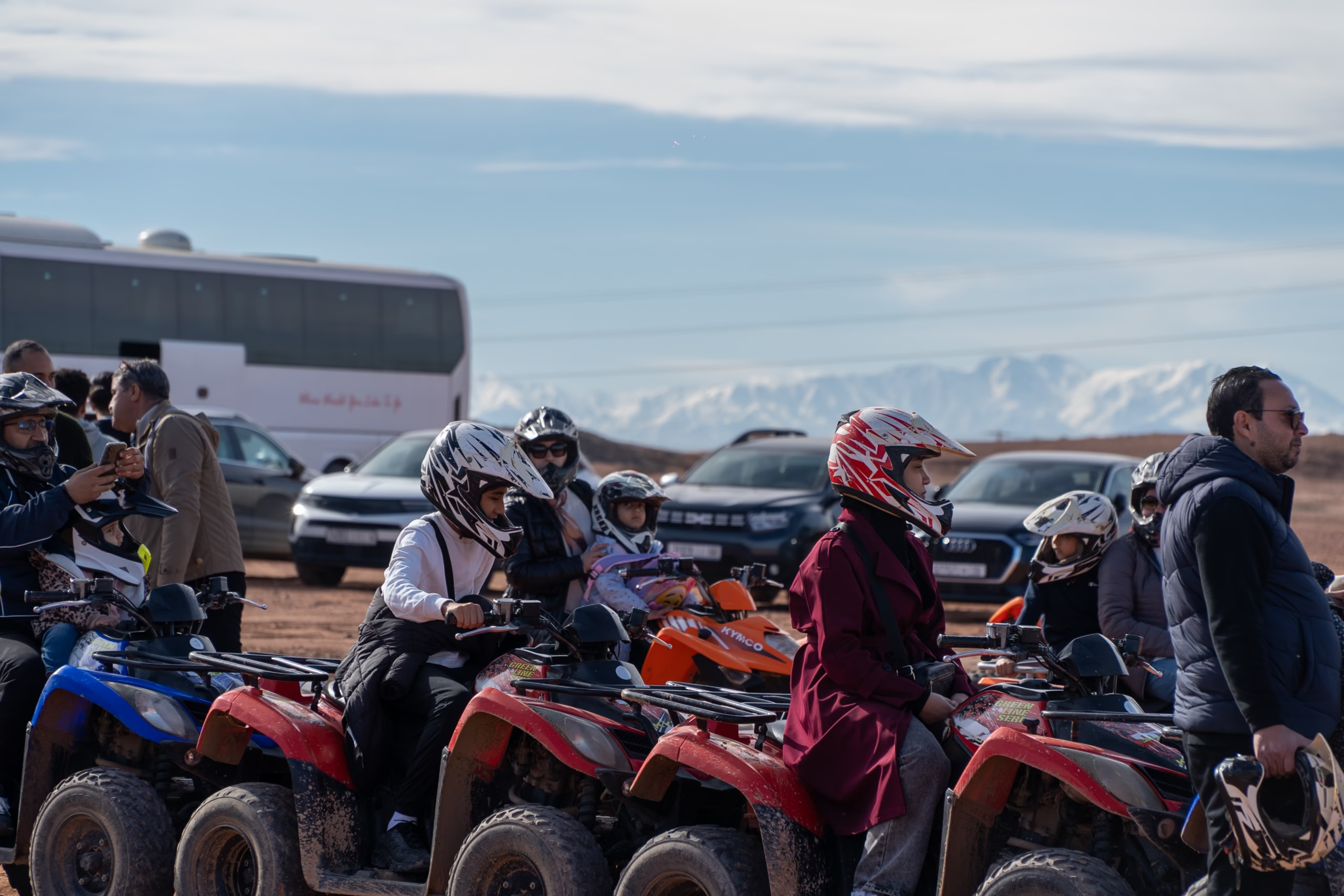
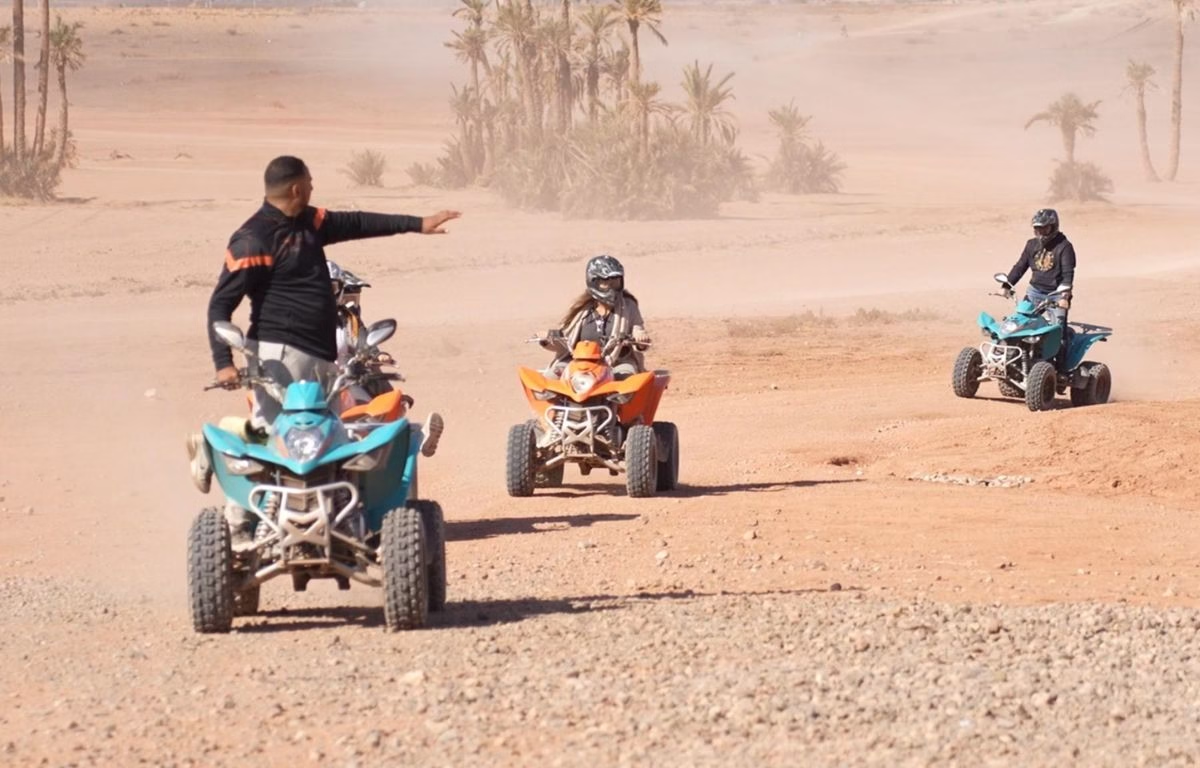
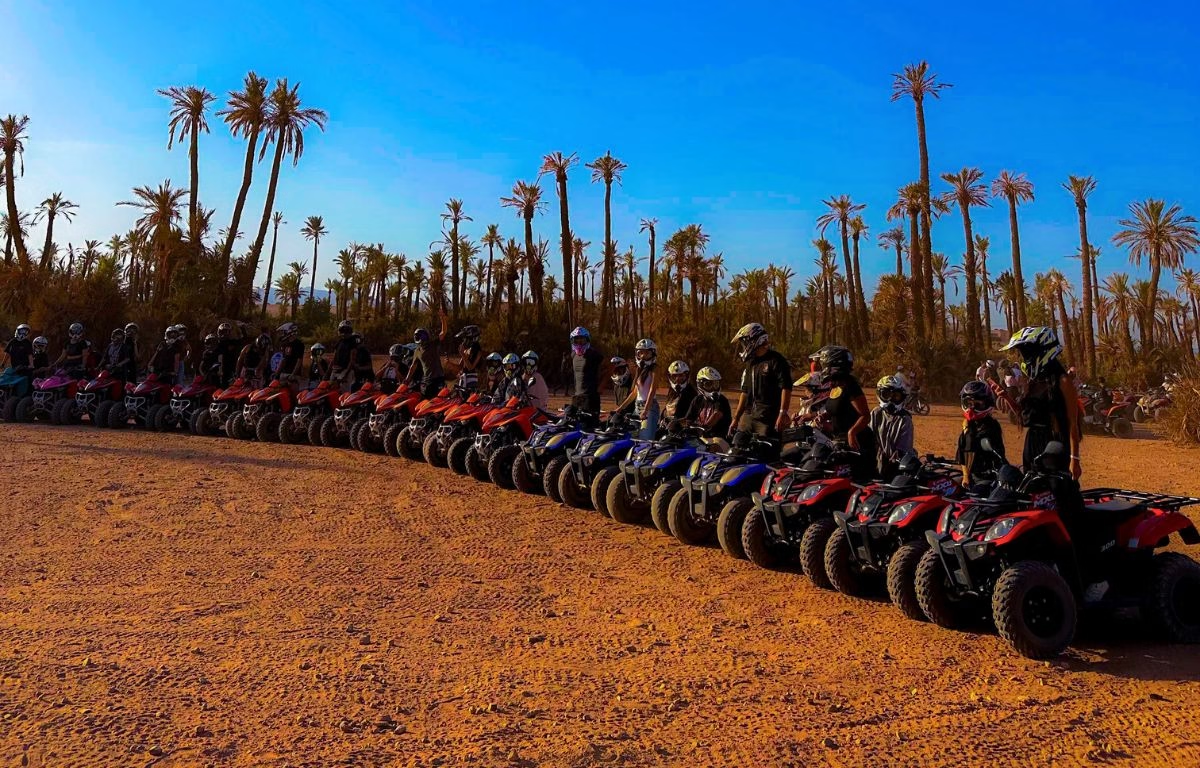
Adventure activities focus more on shared experience, energy and leaving the normal routine. Quad biking is an example of an activity that can give colleagues an outdoor experience together without requiring direct competition.
Collaborative Team Challenges
Short challenges can focus on coordination, problem-solving, communication or team strategy. They are flexible and can be used between larger activities to keep other teams engaged.
Multi-Activity Formats
A combined format can use competition, adventure and collaboration, with teams rotating before a final group moment.
For a deeper comparison of individual options, add an internal link here to “Best Team Building Activities in Marrakech for Companies” once its published URL is confirmed. This avoids repeating the separate activity-focused article.
Why Does Paintball Work as an Outdoor Team Format?
Structured paintball gives teams a shared objective and requires communication while conditions change. Participants may need to assign roles, coordinate movement, make decisions and adapt their plan.
Unlike casual play, a corporate format needs clear teams, briefing, objectives and an organized finish.
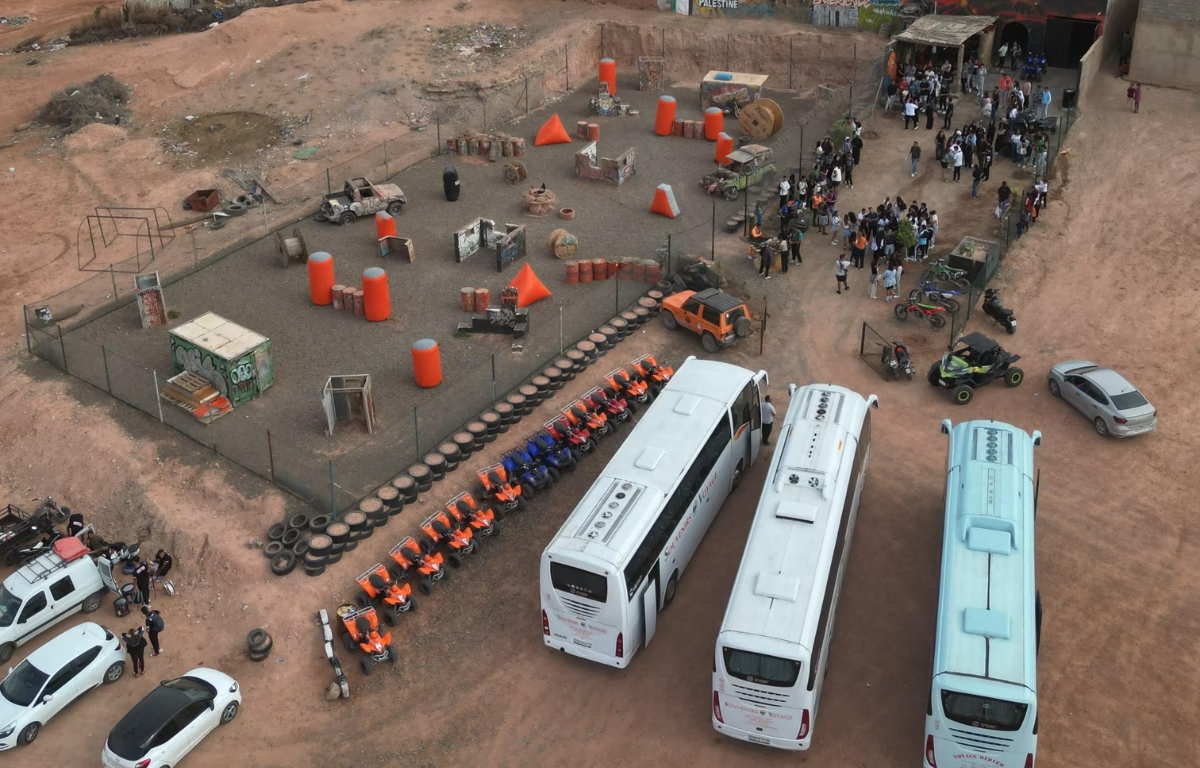
Volcano Experience’s outdoor paintball experience in Marrakech includes group sessions, equipment and a briefing before the activity. Companies should still explain their event objective and participant profile when discussing how paintball fits the wider program.
What Does Quad Biking Add to Team Building?
Quad biking serves a different objective from paintball. It is less about one team defeating another and more about shared adventure, movement, outdoor exploration and breaking the normal routine.
It suits reward events and outings that need positive energy without making every stage competitive. A guided format matters because confidence levels differ.
The published quad biking experience in Marrakech describes guided rides, an equipment stage and a briefing. In a corporate program, quad biking can stand alone or be combined with team challenges and another group activity.
How Do Team Challenges Connect Larger Activities?
Short challenges connect paintball, quad biking and games through shared teams, objectives or points.
A simple event flow could be:
Activity A → team challenge → rotation → Activity B → final challenge
Challenges can focus on communication, coordination, problem-solving or strategy. They involve teams while another group completes a larger activity, reducing waiting.
How Should You Structure an Outdoor Team Building Event?
Structure determines whether the day supports a corporate objective or becomes an ordinary outing.
1. Define the Objective
Choose one main purpose. It may be communication, collaboration, leadership, friendly competition, employee recognition, breaking routine or creating a shared experience.
The objective guides the choice: communication requires information exchange, while a reward event may favour shared adventure.
2. Understand the Group
Confirm the number of participants, age range, preferences, confidence levels, accessibility needs and general physical requirements of the activities. Do not assume every employee wants the same intensity or competition.
3. Match Activities to the Objective
Choose paintball for strategy and competition, quad biking for shared adventure, and team challenges for flexible collaboration. Do not select an activity only because it looks impressive in photos.
4. Organize the Teams
Balanced teams encourage interaction. Mixing departments can support cross-team connection, while colours or lists make movement easier.
5. Use Rotations for Larger Groups
Rotation divides the event into stations:
- Group A → Activity 1
- Group B → Activity 2
- Group C → Team challenge
The groups then rotate. This reduces waiting, but the schedule must include transition time.
6. Plan Real Breaks
Include time for water, food, rest and equipment changes. Breaks are part of the program.
7. Finish With a Shared Moment
End with a final challenge, recognition, group photo or informal closing. Recognize teamwork, not only the highest score.
Half-Day vs Full-Day Outdoor Team Building
What Fits a Half-Day Event?
A half-day suits one objective, simple rotations and one main activity with a supporting challenge.
What Fits a Full-Day Event?
A full day allows more rotations, breaks and a final challenge. It suits larger teams or mixed objectives.
How Should Large Corporate Groups Be Managed?
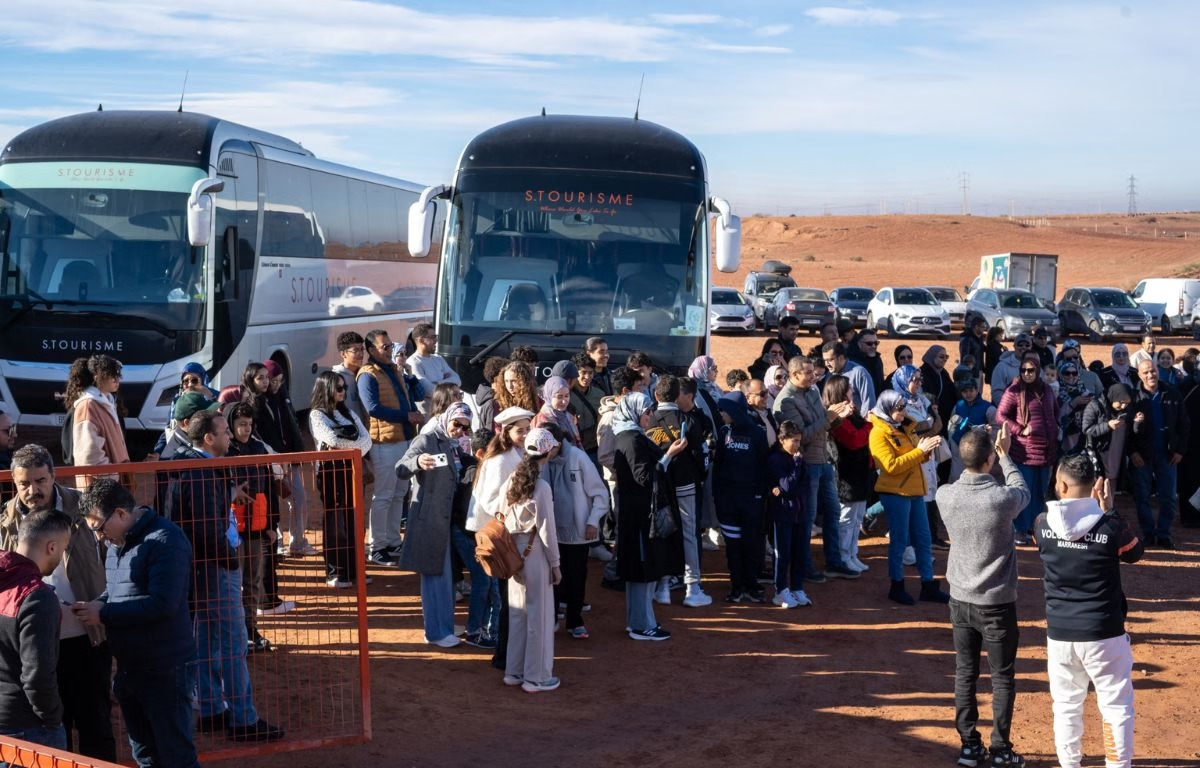
Large groups require team divisions, stations, sequencing and clear organizer communication. One activity can create queues and inactivity.
A rotation plan shows where each team should be and when it moves. Assign responsibility for every station and overall timing.
Companies planning a larger event can review the available corporate team building activities in Marrakech and discuss group organization before the final format is chosen.
Can Outdoor Team Building Work for Mixed Fitness Levels?
Yes, if the program offers activity variety and participation options. Employees will not share the same fitness, confidence, experience or interest in competition.
A mixed program can include adventure, communication, logic and coordination. Anyone not joining one activity should have a meaningful alternative.
How Should Companies Plan for Weather and Season?
Marrakech can experience significant differences in temperature by season and time of day. Organizers should consider the forecast, activity intensity, shade, hydration and the time participants will spend outside.
In hotter conditions, an earlier or later schedule may be more comfortable. Cooler periods may require suitable layers.
Agree in advance whether weather changes the order, timing or activity format.
What Safety and Organization Questions Matter?
Confirm briefings, participant instructions, equipment, supervision, group organization and physical requirements.
Participants need clear information about clothing, arrival and expectations. One company contact should be available for decisions.
Ask how each activity is organized and what participants must do.
Which Outdoor Team Building Mistakes Should You Avoid?
Choosing Activities Before Defining the Objective
An exciting activity may not support the company’s actual need. Set the objective first.
Making Everything Competitive
Too much competition can reduce participation. Balance scoring with collaborative tasks and shared moments.
Ignoring Different Participant Profiles
One intensity level will not suit everyone. Include activity variety and meaningful alternatives.
Scheduling Too Many Activities
An overloaded program creates rushed briefings and transitions. Fewer well-connected stages usually work better.
Leaving Too Much Waiting Time
Confirm station capacity and use rotations or parallel challenges for larger groups.
Ignoring Weather Conditions
Plan around season, time of day, shade, water and forecasts. Agree on a contingency process.
Treating the Event as Unrelated Bookings
Connect activities through teams, a shared objective, points or a final mission.
Forgetting Briefings and Transitions
Participants need time to understand rules, change equipment and move safely between stations.
How Does Volcano Experience Fit Outdoor Team Building?
Volcano Experience offers outdoor group activities in Marrakech that can be incorporated into corporate event formats. Confirmed options include paintball, guided quad biking and team challenges.
Each format serves a different purpose:
- Paintball: strategy, communication and friendly competition.
- Quad biking: shared adventure, outdoor energy and a break from routine.
- Team challenges: coordination, communication and problem-solving.
- Combined formats: variety, rotations and structured group participation.
Companies can share group size, date, objective and preferences before choosing the structure. These activities support an event; they do not guarantee workplace results.
For the wider planning context, read the Team Building Marrakech complete guide for companies.
What Could an Outdoor Corporate Event Look Like?
Example only — the actual program should be adapted to the company, participants and event objectives.
- Arrival
- Welcome and briefing
- Team formation
- Outdoor Activity 1
- Short team challenge
- Rotation
- Outdoor Activity 2
- Break
- Final team mission
- Results or recognition
- Group moment
This structure alternates activity types and gives the event a clear progression. Teams know where they are in the program, and the final mission connects the earlier stages instead of leaving them as unrelated experiences.
What Should You Ask Before Booking?
- What is the main objective of the event?
- How many people will participate?
- What activities do participants prefer?
- Are there different physical ability or confidence levels?
- How much time is available after transport and arrival?
- Is the event half-day or full-day?
- Should it emphasize competition, collaboration or both?
- How will larger groups rotate between activities?
- What weather conditions should be considered?
- Is transport required?
- What equipment or clothing should participants bring?
- What briefing and supervision are included?
- What happens if conditions affect an outdoor activity?
- How much time is allocated to breaks and transitions?
Frequently Asked Questions About Outdoor Team Building in Marrakech
What is outdoor team building?
Outdoor team building is a structured company event held outside the normal workplace. Teams complete activities designed around communication, collaboration, leadership, problem-solving, competition or shared experiences.
Why is outdoor team building effective?
It changes the normal work setting and gives employees active tasks that require communication and decisions. Its effectiveness depends on the objective, participation and event structure, not simply being outdoors.
Is Marrakech good for outdoor team building?
Marrakech supports varied outdoor group formats that can be combined with corporate meetings or dedicated team events. Companies must still plan around season, weather and participant needs.
What are the best outdoor team building activities in Marrakech?
Useful categories include competitive activities such as paintball, shared adventure such as guided quad biking, collaborative challenges and multi-activity rotations. The right option depends on the event objective.
Is paintball good for corporate team building?
Paintball can support strategy, communication, coordination and friendly competition when it uses clear teams, rules and shared objectives.
Can quad biking be part of a team building event?
Yes. Guided quad biking can create a shared outdoor experience and help employees break their normal routine. It can stand alone or form one stage of a broader program.
What outdoor activities work for large corporate groups?
Activities that can run in stations or rotations are useful for large groups. Teams can move between paintball, guided outdoor experiences and short challenges according to a planned schedule.
Can outdoor team building work for mixed fitness levels?
Yes, when the event includes varied activities and alternative ways to participate. Not every employee should be required to complete every physical activity.
How long should an outdoor team building event last?
A half-day suits one clear objective and fewer activities. A full day allows more rotations, breaks, activity styles and a final challenge.
Can several outdoor activities be combined?
Yes. Activities can be connected through team identities, rotations, points, shared objectives or a final mission. The combination should feel like one event rather than separate bookings.
What should companies consider when planning outdoor team building in Marrakech?
Companies should consider objectives, group size, participant profiles, accessibility, weather, transport, activity requirements, rotations, breaks, briefings and contingency planning.
Why Does Outdoor Team Building Work Best With a Clear Objective?
Outdoor team building works best when the environment, activities and event structure are chosen around a clear company objective. The outdoor setting creates useful possibilities, but thoughtful planning turns those possibilities into an effective corporate event.
Marrakech gives companies access to competitive, collaborative and adventure-based outdoor formats. Companies interested in organizing a structured event can explore Volcano Experience’s outdoor team building options in Marrakech and discuss a format based on their participants, time and objectives.